
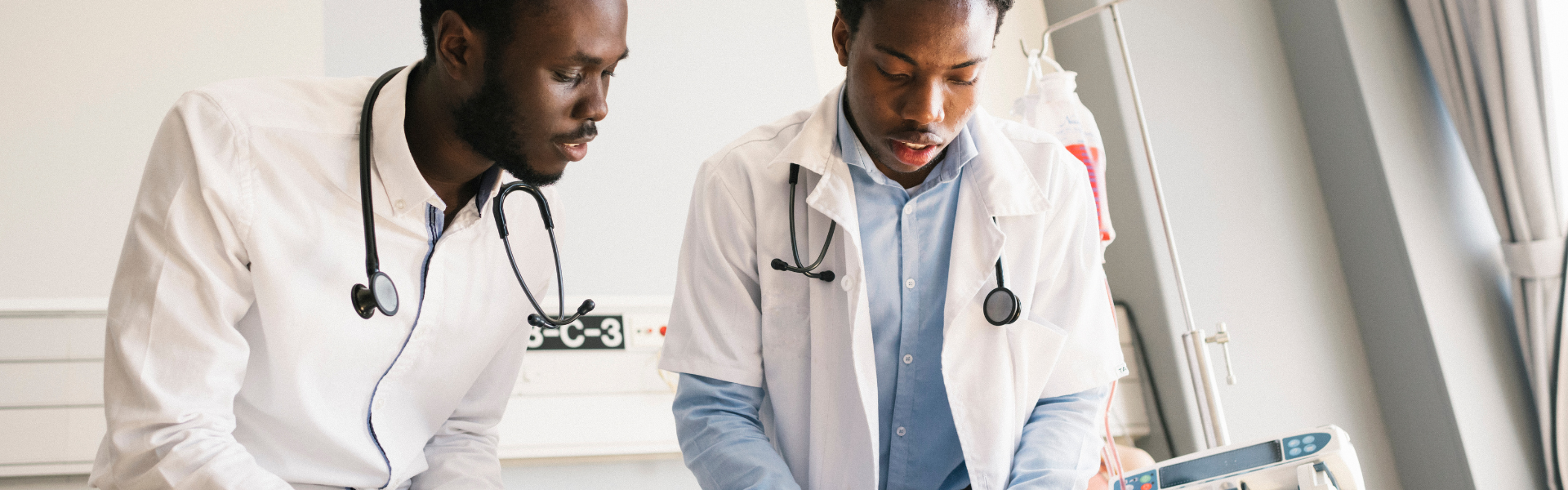
The rise of fake qualifications and degrees is an alarming trend in South Africa. From doctors to teachers, the impact of unqualified professionals posing as experts can be far-reaching and dangerous. We’ve all heard about Dr. Hennie Roos, a notorious case of medical malpractice who faced numerous complaints before being removed from the Health Professions Council of South Africa (HPCSA). Or the story of an Eastern Cape teacher arrested earlier this year for using fake qualifications. Even in Klerksdorp, a fake biokinetics was caught out in 2021.
The truth is you can’t always take someone’s qualifications at face value. So, how do you ensure that the person you’re hiring or consulting with is properly qualified? Whether it’s your doctor, teacher, or electrician, here’s how you can verify South African qualifications and avoid falling victim to fraudulent claims.
Key Resources for Verifying Qualifications
South Africa has several trusted regulatory bodies that are responsible for verifying and accrediting qualifications. Here’s where to check.
1. Umalusi: Ensuring Legitimate Education
Umalusi is the watchdog of South Africa’s education system, specifically when it comes to general and further education. They oversee qualifications like:
- National Senior Certificate (NSC)
- National Technical Certificate (N3)
- National Certificate Vocational (NCV)
- Amended Senior Certificate (ASC)
- General Education and Training Certificate for Adults (GETC)
But Umalusi doesn’t just stop at issuing certificates—they also verify them. Umalusi recently warned the public about bogus online schools that are selling fake certificates. So, just because a certificate looks official with logos and reference numbers doesn’t mean it’s legit. Always cross-check with Umalusi to ensure the information matches their database.
If you’re dealing with a qualification awarded before 1992, you’ll need to check with the Department of Basic Education (DBE) or the Department of Higher Education and Training (DHET) instead of Umalusi.
2. SAQA: The Gold Standard for National Qualifications
SAQA, or the South African Qualifications Authority, is your go-to for verifying most national qualifications, including matric certificates and other post-school qualifications. You can access SAQA VeriSearch, an online tool, to check if the qualification is registered and recognized.
But note that SAQA doesn’t verify everything—specifically, they don’t handle short courses, foreign qualifications, or professional designations. So, if you’re dealing with one of those, you’ll need to dig a little deeper.
3. DHET: For Pre-1992 Qualifications
If you’re not sure about a qualification awarded before 1992, or you just need further guidance on how to verify it, get in touch with the DHET. They are there to help and will direct you to the right place.
What About Foreign Qualifications?
If someone claims to have obtained their degree or qualification from a university outside South Africa, you’ll need to take extra steps to verify it. Foreign qualifications must be assessed by SAQA to ensure they meet South African standards. But it’s always a good idea to contact the foreign institution directly to confirm that the person studied there.
Verifying Professional Qualifications
Even after someone has earned their degree or qualification, they still need to register with a professional body to legally practice in their field. Here’s how to check that someone is registered and fully qualified to work in their profession:
1. Medical and Healthcare Professionals:
Doctors, nurses, dietitians, and other healthcare professionals must be registered with the Health Professions Council of South Africa (HPCSA) or the South African Nursing Council (SANC), depending on their role. You can check their registration status by visiting the relevant council’s website, where you can look up their practice number. If their name isn’t listed, it’s a red flag.
2. Attorneys and Lawyers:
Attorneys must be registered with the Legal Practice Council (LPC) to practice law in South Africa. If you need to verify a lawyer’s credentials, you can check the LPC’s online registry.
3. Teachers and Educators:
Teachers and educators must be registered with the South African Council for Educators (SACE). If you’re unsure about a teacher’s qualifications, you can contact SACE to confirm whether they are authorized to teach.
4. Electricians:
Electricians, too, must be licensed to ensure they can perform electrical work safely and legally. They are registered with the Electrical Conformity Board of South Africa (ECB). Always verify that an electrician is licensed before allowing them to do any electrical work in your home or business.
Why Verification Matters: Protect Yourself and Others
With the increasing number of fake qualifications circulating, it’s crucial to verify the credentials of professionals who are providing services to you. Whether it’s someone in the medical field, the legal system, or even an educator, unqualified individuals can cause harm, make mistakes, or even put lives at risk.
By taking a few extra steps to verify qualifications through the right channels, you protect yourself, your family, and your community. It’s always better to double-check than to regret later.
Conclusion
The process of verifying qualifications in South Africa is straightforward once you know where to look. With trusted resources like Umalusi, SAQA, and the relevant professional bodies, you can quickly confirm whether someone is qualified for the job. Whether you’re hiring a professional or seeking services, always take the time to verify their credentials. After all, your safety, health, and well-being are too important to take chances on fake qualifications.